Episode 15 – The Presidential Primaries

Illinois delegates at the Democratic National Convention of 1968, react to Senator Abraham Ribicoff’s nominating speech for George McGovern in which he criticized the tactics of the Chicago police against anti-Vietnam war protesters. August 1968. Warren K. Leffler, U.S. News & World Report Magazine.

This week on An Incomplete History, we discuss the development of the primary system in the United States. When and how did the two major political parties decide to hold primaries before their conventions and the subsequent presidential elections? What’s the difference between a primary and a caucus? Why do Iowa and New Hampshire go first? Is the primary system constitutionally mandated? Hilary and Geoff discuss all those things and more this week.
Episode 14 – The Saint Valentine’s Day Massacre

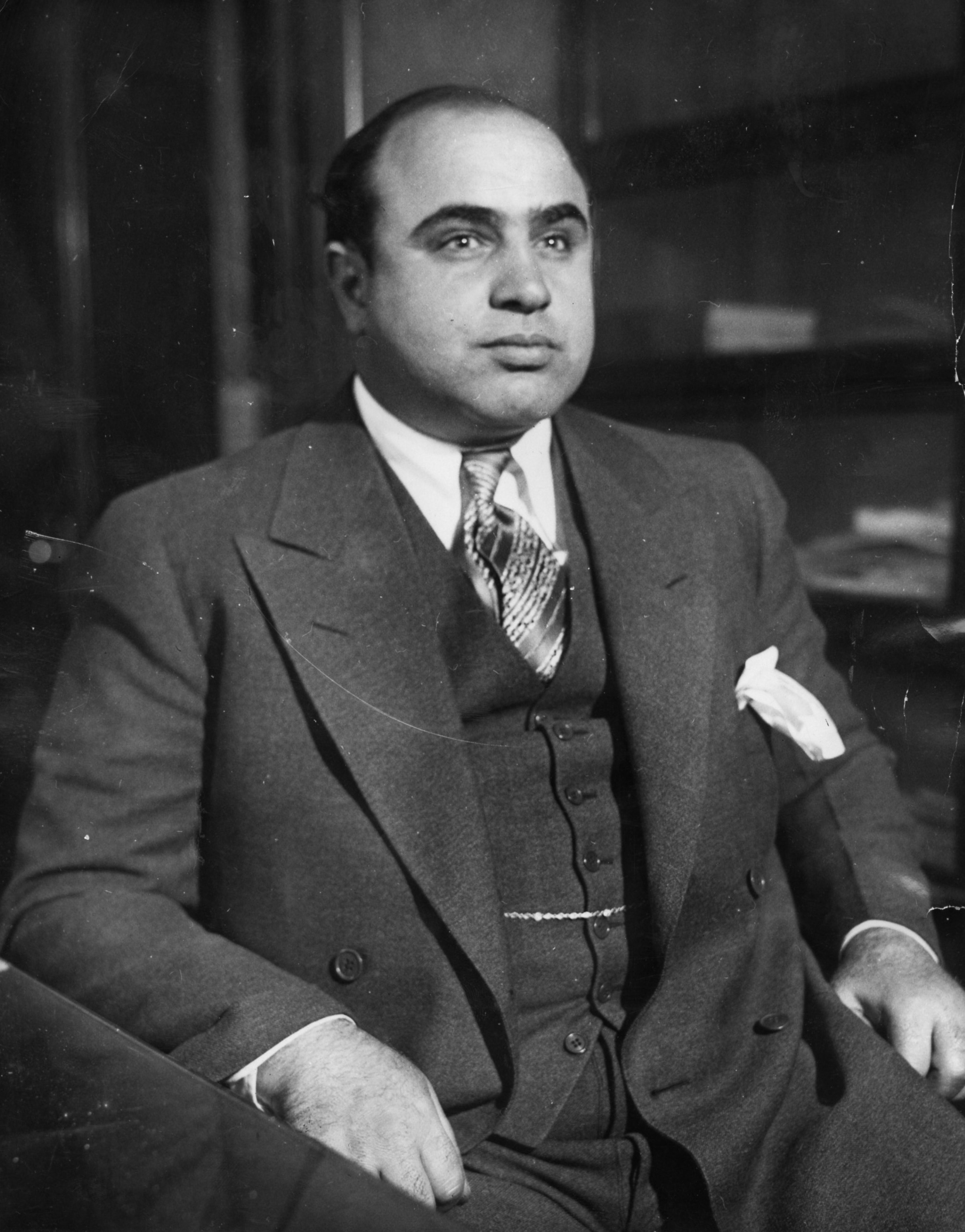
“Scarface” Al Capone is shown here at the Chicago Detective bureau following his arrest on a vagrancy charge as Public Enemy No. 1 in this 8 x 10 black & white original wire photograph that has attached the original news bureau caption on verso, dated “2-26-31.”

February 14th isn’t just about flowers, candy, and dinner with your sweetheart. It is also the anniversary of one of the bloodiest gangland confrontations in US history. On February 14, 1929 seven men were shot in a north Chicago garage. This wasn’t just the ratcheting up of Prohibition-era violence in Chicago, a city seemingly out-of-control. It was also a key moment in the expansion of the Federal Government’s powers to override local control.

In our discussion of the massacre we also cover the valorization of crime, issues surrounding the racialization of criminals, and the legacy of gangs and men like Al Capone on US pop culture.

Episode 13 – Prohibition

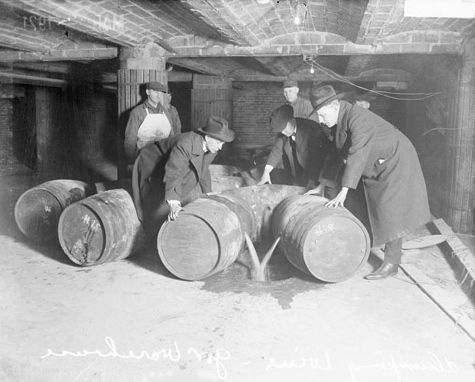
Prohibition agents destroying barrels of alcohol DN-0072930, Chicago Daily News negatives collection, Chicago Historical Society. 1921.

This week on An Incomplete History Hilary and Geoff discuss the implementation and long-term effects of the 18th Amendment, that’s prohibition, on the United States. Where did the idea for a nation-wide ban on alcohol come from? What did advocates hope to accomplish? Can we really blame prohibition for a rise in organized crime? And how does the 18th Amendment, nullified decades ago, still affect your life today? Join us this week to find out.